
Understanding Digestive Bloating, Gut Health, and Digestive Support in Burlington
That uncomfortable “food baby” feeling after meals?
The tight pants. The pressure. The gas. The distended stomach that seems to appear out of nowhere by the end of the day.
Digestive bloating is incredibly common, especially among women, yet many people assume it is simply “normal.” While occasional bloating can absolutely happen from time to time, persistent or uncomfortable bloating is often your body’s way of signaling that something deeper may be contributing.
If you are struggling with bloating, gas, abdominal discomfort, sluggish digestion, or digestive irregularity in Burlington, Oakville, Hamilton, or the surrounding area, know that you are not alone — and there are supportive approaches that may help.
What Does Digestive Bloating Feel Like?
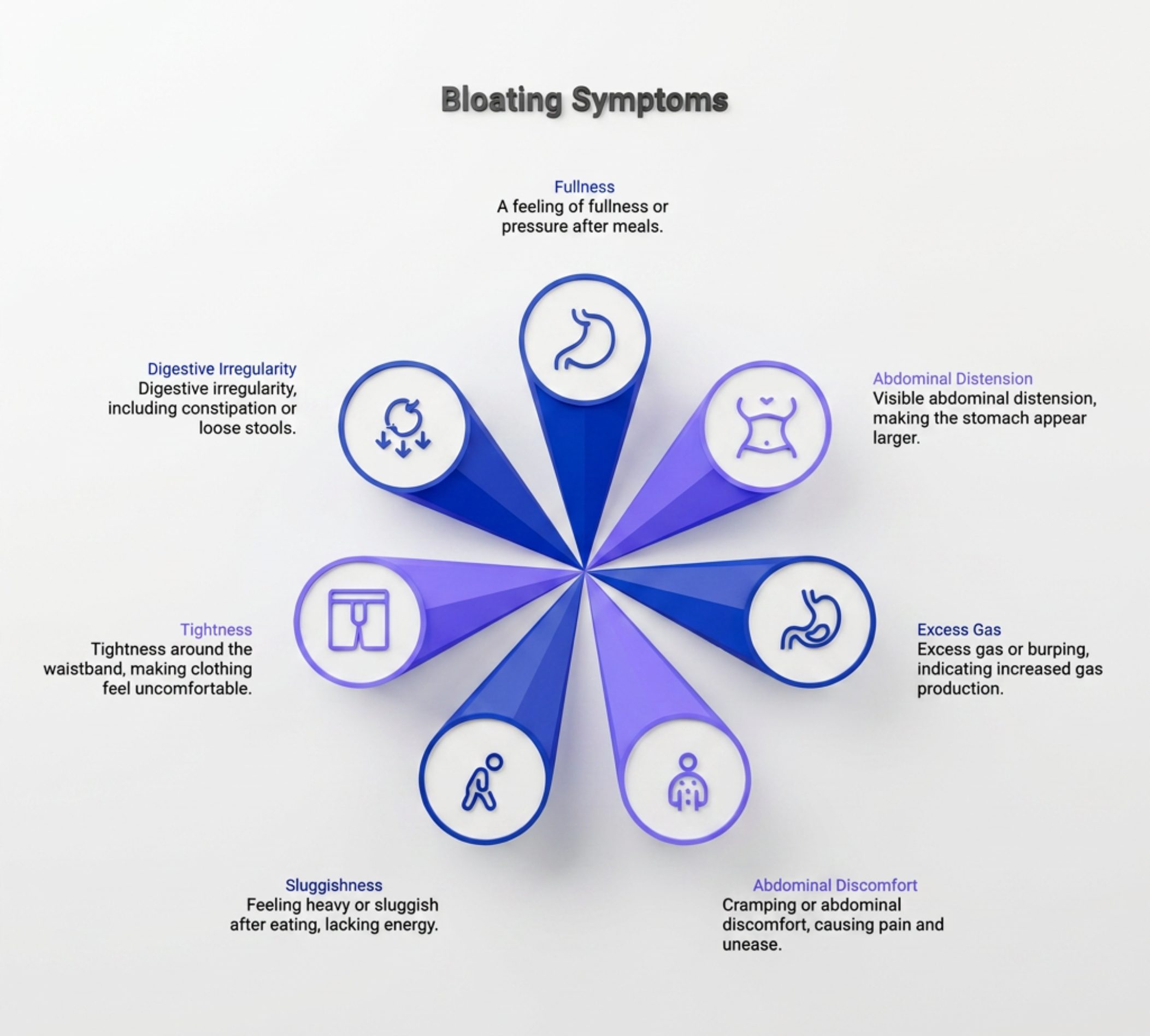
People describe bloating differently, but common symptoms may include:
- A feeling of fullness or pressure after meals
- Visible abdominal distension
- Excess gas or burping
- Cramping or abdominal discomfort
- Feeling heavy or sluggish after eating
- Tightness around the waistband
- Digestive irregularity, including constipation or loose stools
For some people, bloating happens occasionally after a large meal. For others, it becomes a daily pattern that affects confidence, comfort, energy, and quality of life.
Why Do People Experience Bloating After Meals?
Bloating is not one single condition. It is a symptom — and many different factors can contribute.
Stress and the Gut-Brain Connection
Digestion begins before food even reaches the stomach.
Eating while rushed, stressed, distracted, or anxious may influence digestive function and contribute to:
- excess air swallowing
- altered digestive secretions
- abdominal tension
- digestive discomfort
Research continues to explore the powerful relationship between the nervous system and digestive function, often called the gut-brain axis.
Food Sensitivities or Trigger Foods
Some individuals notice bloating after:
- highly processed foods
- carbonated beverages
- large amounts of dairy
- highly refined sugars
- certain fibers or fermentable carbohydrates
Not everyone reacts to the same foods, which is why individualized assessment matters.
Sluggish Digestion or Constipation
Even mild constipation can contribute to bloating and abdominal pressure.
Some people are having bowel movements daily but still do not feel fully emptied or regular. Slower digestive transit may increase fermentation and gas production in the intestines.
Hormonal Changes in Women
Many women notice bloating fluctuates around:
- menstruation
- ovulation
- perimenopause
- menopause
Hormones can influence water retention, digestive motility, and gut sensitivity.
Gut Microbiome Imbalances
Your digestive tract contains trillions of microorganisms that play important roles in digestion, immune function, and metabolism.
Disruptions in gut microbial balance may contribute to bloating, gas, and digestive discomfort in some individuals.
When Should Bloating Be Evaluated?
Occasional bloating can be common, but persistent or worsening symptoms deserve attention.
Red flags can include:
- unexplained weight loss
- blood in the stool
- persistent diarrhea
- severe abdominal pain
- vomiting
- difficulty swallowing
- anemia
- fever
- sudden bowel habit changes
- progressively worsening bloating
- waking overnight with severe symptoms
These symptoms warrant assessment by a healthcare professional.
Natural and Integrative Support for Digestive Health
Gut health is rarely about one magic supplement or one “perfect” diet.
Often, digestive support involves looking at the bigger picture.
Depending on the individual, supportive approaches may include:
Dietary and Lifestyle Changes
Some people benefit from:
- slowing down meals
- chewing thoroughly
- reducing distracted eating
- identifying food triggers
- improving hydration
- increasing movement
- supporting sleep and stress management
Even small changes can sometimes make a meaningful difference.

Herbal Medicine and Bitter Herbs
Traditional herbal medicine has long been used to support digestion.
In naturopathic and integrative care, practitioners may explore:
- digestive bitters
- herbal tinctures
- carminative herbs
- soothing botanical support
These approaches may help support digestive comfort and healthy digestive function in some individuals.
Acupuncture for Digestive Support
Acupuncture is commonly used in integrative medicine to support:
- stress regulation
- abdominal tension
- digestive discomfort
- gut motility
- nervous system balance
Many patients notice digestive symptoms worsen during periods of stress, overwhelm, or burnout.
A Personalized Approach to Gut Health
Every digestive system is different.
What works well for one person may not work well for another, which is why individualized care matters.
At Dr. Lisa Tabrizi Naturopathic Doctor, I take an evidence-informed and personalized approach to digestive health, helping patients in Burlington, Hamilton, Oakville, and surrounding areas better understand possible contributors to symptoms like:
- bloating
- gas
- indigestion
- constipation
- digestive discomfort
- sluggish digestion
Supportive care may include:
- nutrition guidance
- herbal medicine
- custom tinctures
- acupuncture
- lifestyle strategies
- nervous system support
- lab testing where appropriate
If digestive symptoms are impacting your quality of life, know that support is available.
Simply Healthy, Simply Strong.
References